
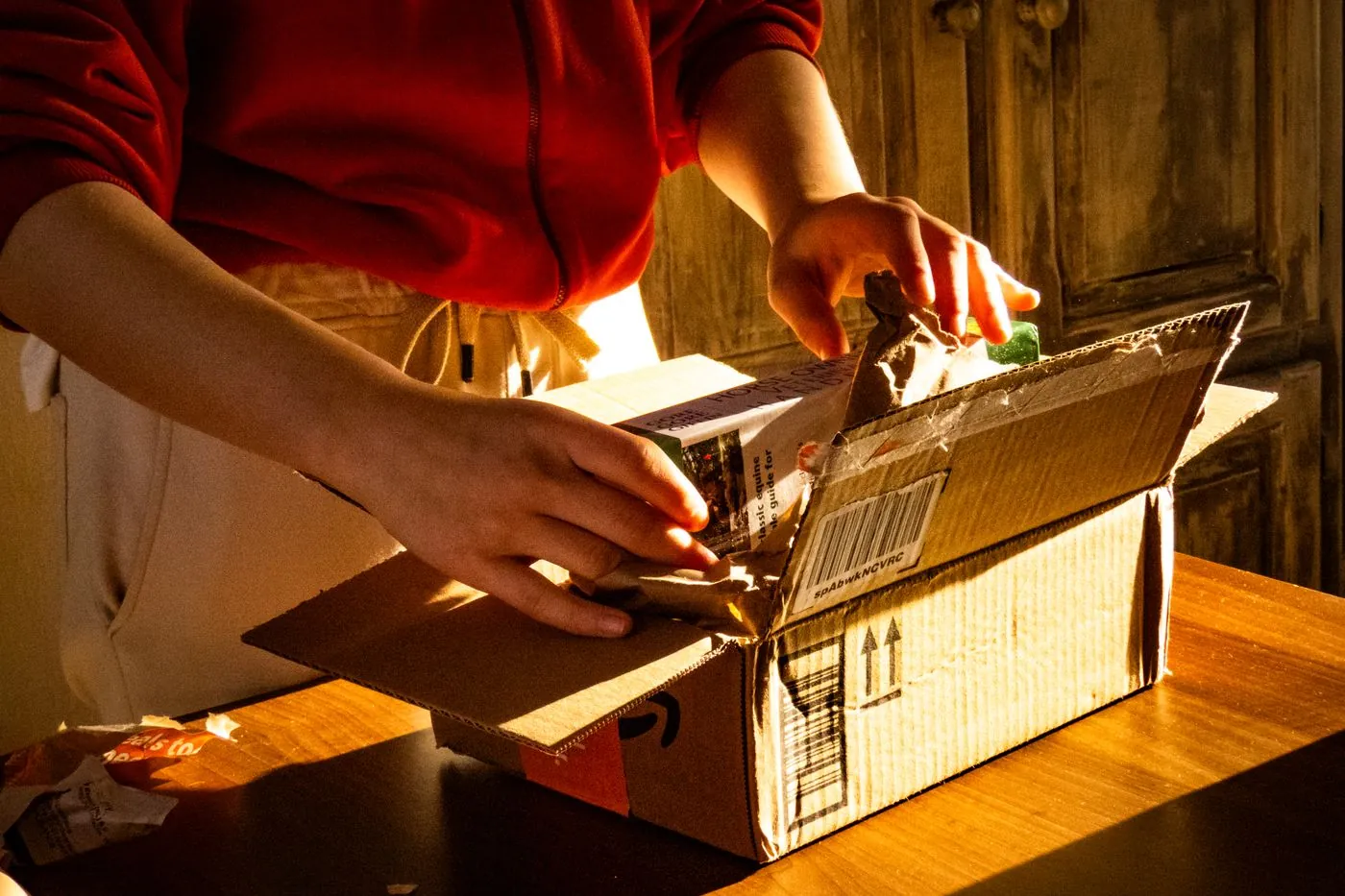
You run the ads, you send the campaigns, the emails go out on schedule. And still, most of your customers do not feel like you know them. Only 45% of consumers say they actually feel understood by the brands they buy from, according to Twilio's 2025 State of Customer Engagement Report. Fewer than half. After all the data collection and all the tooling. The promise of an AI customer experience was meant to close that gap, not widen it.
That gap is the whole game. A customer who feels heard tends to come back. One who feels processed drifts to the next brand with a slightly better offer. And the brands winning right now are not the ones sending more. They are the ones making each person feel like the message was meant for them.
The honest reason most brands fall short is not that they care too little. It is that real attention has never scaled by hand. So brands did the rational thing. They saved the thoughtful, personal treatment for their biggest accounts and their VIPs, and they blasted everyone else with the same three emails. AI is what finally changes that maths. Not by replacing the marketer, but by removing the cap on how many customers one marketer can genuinely look after.
Why does an AI customer experience so often feel creepy instead of caring?
Because most brands confused surveillance with attention. They collected everything, then used it to chase and pressure people, rather than to be genuinely useful at the right moment. Customers can tell the difference instantly. Just 15% of consumers say they "absolutely" trust brands to use their data responsibly, and 84% want direct control over how they are personalised to, per Twilio's 2025 report.
The creepy version follows you around. You looked at a jacket once, and now it haunts every page you visit, marked down twice, with a countdown timer. It is loud, it is transactional, and it treats a person like a conversion waiting to happen. The caring version is quieter. It notices you are probably about to run out of the coffee you buy every five weeks, and it makes reordering easy before you have to think about it. Same data. Opposite feeling.
Personalisation as surveillance
- Retargets the item you already decided against
- Pushes discounts and countdown timers at everyone
- Sends the same three campaigns to the whole list
- Optimises for the click, not the person
- Uses data to chase, so it feels watched
Personalisation as attention
- Notices the refill that is genuinely due
- Sends a plain, useful note at a moment that helps
- Speaks to where each customer actually is
- Optimises for the relationship, not the open rate
- Uses data to be helpful, so it feels seen
The line between the two is not the technology. It is the intent behind it. A well timed reminder that saves someone a hassle builds trust. The same channel used to pressure a sale erodes it. The goal is to make a customer feel seen, never surveilled.
What does it mean for a customer to feel heard?
It means the right message reaches them at the right moment, and that moment can be the instant they do something. 88% of consumers say they are more likely to buy when personalisation happens in the moment rather than days later, and 71% abandon a purchase when the experience is not relevant to them, in Twilio's 2025 data. Timing is not a nice touch. It is most of the value.
Think about what feeling heard looks like in practice. Maya buys a moisturiser that lasts about six weeks. On week five, a plain note arrives asking if she wants a refill on the way, no discount theatrics, just a genuinely useful nudge. Tom leaves a full cart at the shipping step two nights running. Instead of a generic "you left something behind" blast, he gets one honest line that the free shipping threshold is closer than he thinks. Priya bought a gift, not a repeat order for herself, so she is quietly kept out of the replenishment flow rather than pestered every fortnight.
None of those are upsells dressed up as care. They are the small, thoughtful gestures a good shopkeeper would make if they had the time to know every customer. The refill that turns up right before you run out. The reminder that is plain, not pushy. The win back that reads like a person wrote it. That is the future of customer experience, and it is not louder marketing. It is marketing that finally pays attention.
Feeling heard is not being sold to at the perfect moment. It is being helped at the moment it matters, whether or not there is a sale in it today.
How can a small team give every customer that kind of attention?
By letting AI carry the execution while the marketer keeps the judgement. A person cannot watch a hundred thousand customers, notice the moment each one needs something, and write to them one at a time. That is the hours cap every lifecycle team hits. AI removes the cap. It does not decide what the brand stands for or what a good gesture looks like. The marketer still does that.
This is where most brands are stuck. Only 44% of companies act on personalisation in the moment, even though the intent to buy is highest right then, again per Twilio. The knowledge exists in the data. The reaction does not, because no team is big enough to react to everyone by hand. The fix is not more headcount. It is giving your marketers a way to set the goal once and have it run for every customer, on every channel, at the moment each one matters.
Picture a small team of agents working every customer at once, with the marketer in charge of all of it.

The decaf you tried last time, Sam?
We noticed you switched to decaf on your last order. Want your usual swapped over before the next one ships? No change if you would rather not.
Yes, swap it overThe marketer sets the goal, approves the approach, and keeps the credit. The craft stays human. What changes is that the thoughtful treatment you used to reserve for your top accounts can now reach the customer who spends quietly every month and never got a second look. Across email, SMS, push, WhatsApp, in-app, ads, support and Pulse, the same care goes to everyone, not just the few you had time for.

Does treating customers like people actually pay?
Yes, and the retention numbers are not close. Loyal, repeat customers drive 44% of revenue and 46% of orders while making up just 21% of the base, in Shopify's 2025 retention analysis. Returning customers spend around 67% more than first time buyers, and the probability of selling to an existing customer sits at 60 to 70%, against 5 to 20% for a new one, per Venn Apps' 2025 roundup.
So the customer who feels heard is not just happier. They are the most valuable growth you have, and the cheapest. Every well timed refill, every plain check in that lands, every win back that reads like a human wrote it is compounding into the part of your revenue that actually holds. Meanwhile acquisition keeps getting dearer, and a single irrelevant experience is enough to push someone towards a competitor.
This is the quiet job PilotX was built for. It is the agentic marketing platform for consumer brands, and it gives every customer the attention a brand used to save for its biggest accounts. You set the goal and the guardrails. The agents work every customer towards it, reacting the moment something happens, on the channels that fit. You keep a control group so you can see the lift for yourself. On the modelled economics that pattern points to up to 50% more revenue from your existing base, measured against the control group you set, not promised in a slide. PilotX is paid 10% of the extra sales it adds over that group, nothing if it adds nothing, capped at $2,500 a month. You only lean in once you can see it working.
The point was never to send more. It was to make each customer feel like someone was paying attention. AI is what finally lets a brand do that for all of them at once, with the marketer still holding the pen.
A good next step is to see where your own customers are quietly slipping away. The free Revenue Leak Audit shows you the moments you are missing and what they are worth, in a few minutes. When you want to see how the agents would work on your store, the Shopify solution walks through it. Which of your customers has not heard from you at the one moment they actually needed to?