
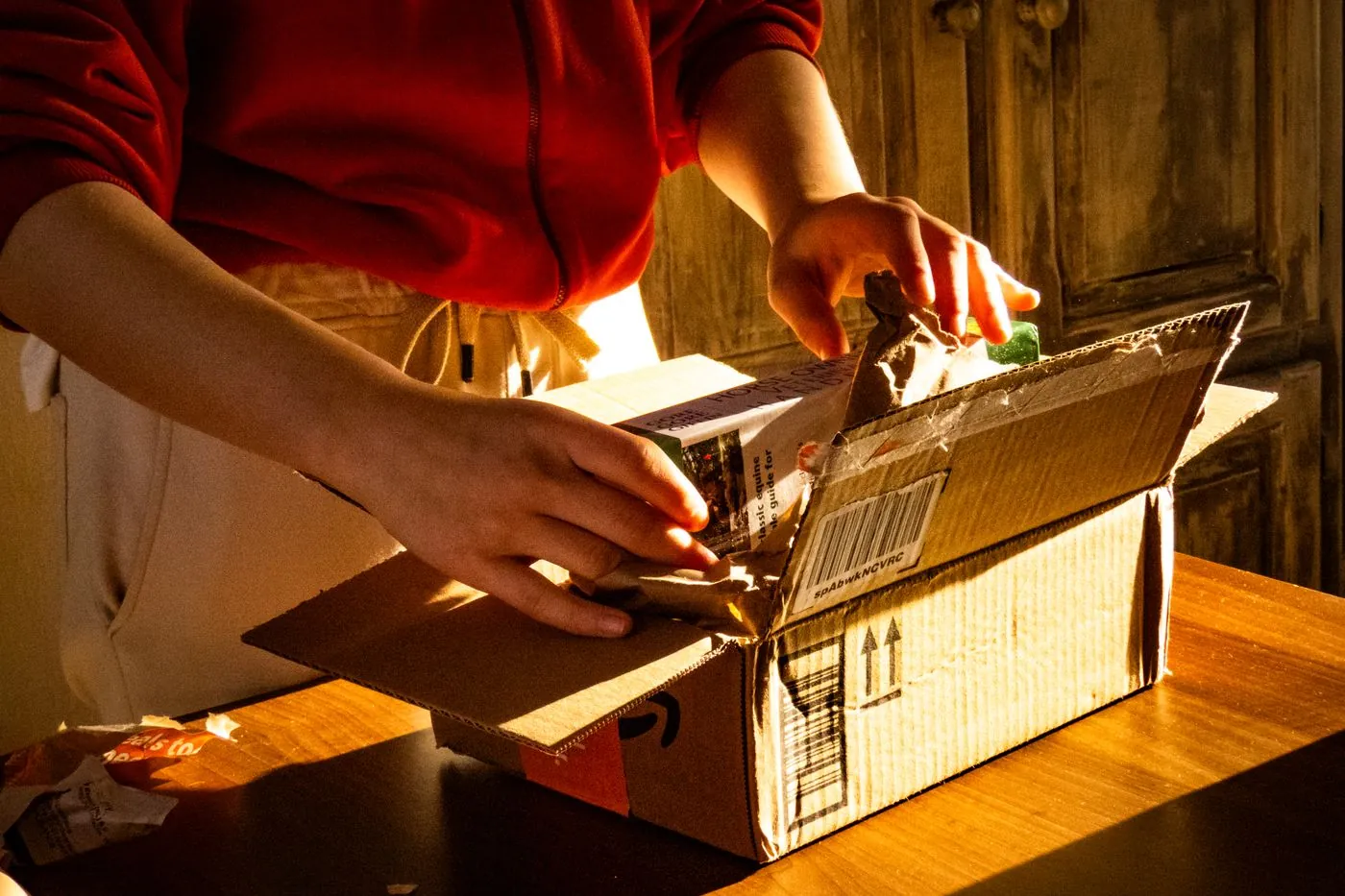
A customer bought from you in March. She loved it, told a friend, left a five star review. It's August now and you haven't heard a thing. She isn't angry and she isn't gone. She's quiet, parked in a segment called "lapsed" that you scroll past on the way to building the next campaign.

Nearly a quarter of an email list goes dark every year. ZeroBounce measured email list decay at 23% in 2025. That isn't people unsubscribing in a huff. It's attention drifting, inboxes filling, life happening. And every one of those people already paid you once, which makes them the warmest audience you own and the one most brands walk straight past on their way to buy more cold traffic.
A win-back campaign is how you go and get them. Done badly it's a 20% off code fired at everyone who went quiet. Done well it's a timed, specific note that reminds someone why they liked you in the first place. That gap is worth real money, and it has almost nothing to do with the size of the discount.
Most brands treat winning customers back as a discount problem. It's a timing problem and a message problem. The discount is the lazy answer to both.
The discount blast
- 20% off fired at everyone who went quiet
- Opens with the code on day one
- Trains your best buyers to wait for the next one
The timed, specific note
- Timed to your own repurchase cycle
- Leads with the reason they liked you
- Holds the discount for the final email
When should you send a win-back campaign?
Time it to your own repurchase cycle, not a fixed 90 days. Klaviyo counts a customer as lapsed when they haven't bought or browsed in three to six months, then adds the line everyone reads past: the window "will differ depending on your product and sales cycle." A brand selling mattresses and a brand selling protein powder should never share a clock.
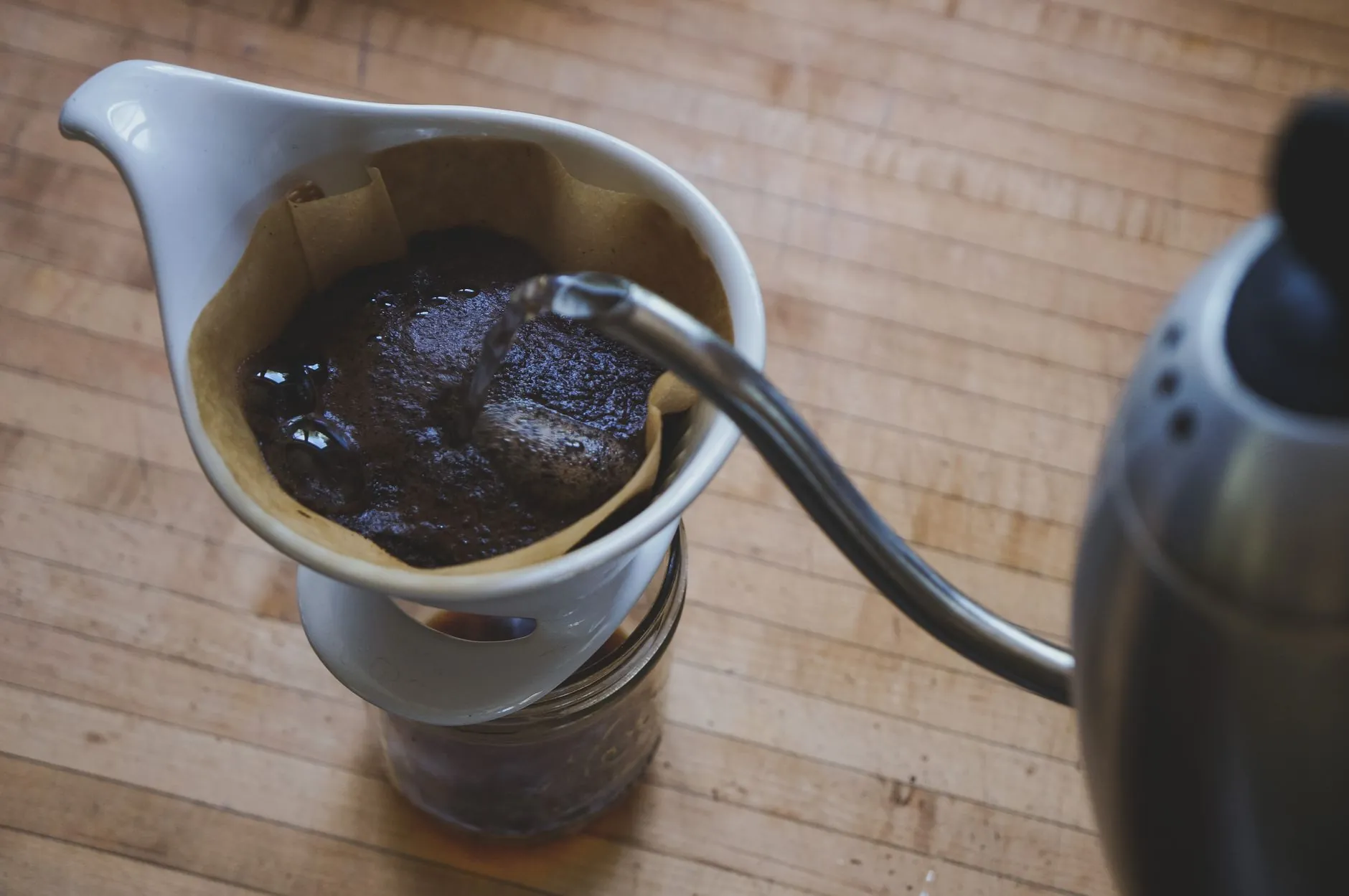
Work out the real gap between orders for your best sellers, then set the first email to land one cycle after that gap, while you're still fresh in mind. If your coffee runs out around day 30 and your first message goes at day 90, you've already lost two bags to whatever tin was nearest the kettle. A refill due Friday is a reminder. Wait a quarter and it becomes a rescue, and rescues are what need discounts. The earlier you catch someone, the less you have to pay to bring them back, because they haven't yet built a habit around your competitor.
Does a discount win back lapsed customers?
Sometimes, but it's the weakest lever you have and the most expensive one. A well run reactivation flow converts 2 to 5% of the recipients it reaches, and a strong programme brings back 10 to 20% of a lapsed segment. Money off is one reason to return. It's rarely the best one, and it quietly teaches your best customers to sit on their hands until the next code lands.
Lead with the reason instead. Before you reach for a percentage, you almost always have something better to say:
- The exact thing they bought is back, and they're probably running low. A one tap reorder does more than a coupon.
- There's a new shade, a new flavour, a restocked size in the range they already chose.
- You fixed the thing they mentioned, or the wait they hit last time is gone.
- A genuinely useful note that assumes they're busy, not disloyal.
Keep the discount in your back pocket for the final email, pointed only at the people who ignored the first two. A code you hold back is a tool. A code you open with is a habit you're training, and you'll be paying for it long after this campaign is over.

Your usual bag runs out about now
One tap puts a fresh one back on the doorstep by Friday. Same roast you had.
Reorder the sameWhich quiet customers are worth winning back?
Not all of them, and treating everyone equally is why most win-back underperforms. Put your best thinking on the people who bought more than once and went quiet recently. A second purchase makes a third 45% more likely, and a third makes a fourth 54% more likely. Someone who bought twice and drifted is a completely different bet from someone who grabbed one thing on a launch discount and never looked back.
The economics sit on your side too. Reactivating a lapsed customer runs roughly five to ten times cheaper than acquiring a new one, and Bain's much quoted finding is that a 5% lift in retention can raise profit by anywhere from 25 to 95%. You already paid to win these people once. Winning them back is the cheapest growth on your desk.
So sort by value and by how long they've been quiet. Addresses that haven't opened anything in six months should be sunset and cleaned, not chased with a heavier offer. Your one time buyers get a lighter touch and a clear reason to give you a second go. The repeat customers who went dark last month get your sharpest note and your fastest send. Same effort, spent where it actually pays.
You already paid to win these people once. Winning them back is the cheapest growth on your desk.
How do you know the win-back actually worked?
You hold a slice back. Take a random part of the lapsed segment, send them nothing, and compare what they do against the group you messaged. That control group is the only honest way to tell whether your win-back earned the revenue or simply took the credit for people who were drifting back anyway. Without it, every reactivation number is a guess in a nice suit.
That measurement is the whole point of what we're building at PilotX. Four agents work each customer's full relationship, deciding who to reach and when, and every decision is measured against a control group you set. It's modelled today, not yet proven across a book of customers, and I'll keep saying that plainly until it is.
You don't need any of that to start on Monday. Pull your last purchase data, find the true gap between orders for your top three products, and set one win-back email to fire a single cycle after it with a restock reminder and no discount attached. Watch what comes back. If you want a sharper read on what your quiet customers are costing you right now, the free Revenue Leak Audit models it in a few minutes, and if you run your flows in Klaviyo, here's how PilotX sits on top of them. The 14 day recovery pilot is there when you want us to build the fix with you. The first move, though, is yours, and it costs nothing but an afternoon in your own data.