
You paid to win the customer. The ad did its job, the checkout went through, the confirmation email went out. Then nothing. No second order, no reply, just a name sitting quietly in your list while you go and buy the next stranger.
I have spent the past year building for that exact buyer, and the more brands I looked at, the clearer it got. This is the most expensive habit in ecommerce, and almost every brand has it. The average online store turns only about 28% of its buyers into repeat customers, which means roughly 7 in 10 people who buy from you once never come back, according to Sender's repeat purchase benchmarks .
The money you are chasing is not in the next cold click. It is in the buyer you already paid for, the one order away from becoming a customer.
Why do most ecommerce customers buy once and never come back?
Because a first order is a trial, not a commitment, and most brands never give that first-time buyer a reason to return at the moment it would land. The product was usually fine. The follow-up was a blast to everyone, or nothing at all.
The blast
- One email to the whole list
- Timed to the calendar, not the customer
- One generic reminder on a fixed timer
One buyer at a time
- The right nudge to each buyer
- Timed to when they actually run out
- In your own voice, no reflex discount
Repeat purchase rates swing hard by category, from about 9.9% in luxury to 65.2% in grocery and food, so some of this is the nature of what you sell. But the gap between a good store and an average one in the same category is rarely the product. It is what happens in the quiet stretch between order one and order two, where a brand either shows up for that specific person or lets them drift.
Most let them drift, and not by choice. Reaching every new buyer personally, at the right time, is simply more than a small team can do by hand.
Why does the second order matter more than the first?
Because the second order is where a buyer stops being a stranger and becomes a customer, and the odds of everything after it climb from there. It is also the cheapest revenue on your plan, since you have already paid to acquire the person once.
The pattern is well documented. Someone who makes a second purchase is 45% more likely to make a third, and after a third they are 54% more likely to make a fourth ( Sender ). Each order you win makes the next one easier. The first repeat is the hinge the whole relationship turns on.
A second purchase makes a third 45% more likely. A third makes a fourth 54% more likely. Win the second order and the rest compounds.
The economics point the same way. Keeping a customer costs far less than winning a new one, and Bain's research has been consistent for decades: lifting retention by just 5% can raise profits by anywhere from 25% to 95%, as Harvard Business Review set out. Repeat buyers also spend more once they are back. One benchmark of major retailers found active repeat buyers placed 57.6% more orders and spent 69.2% more than new ones, per Bluecore's retail data .
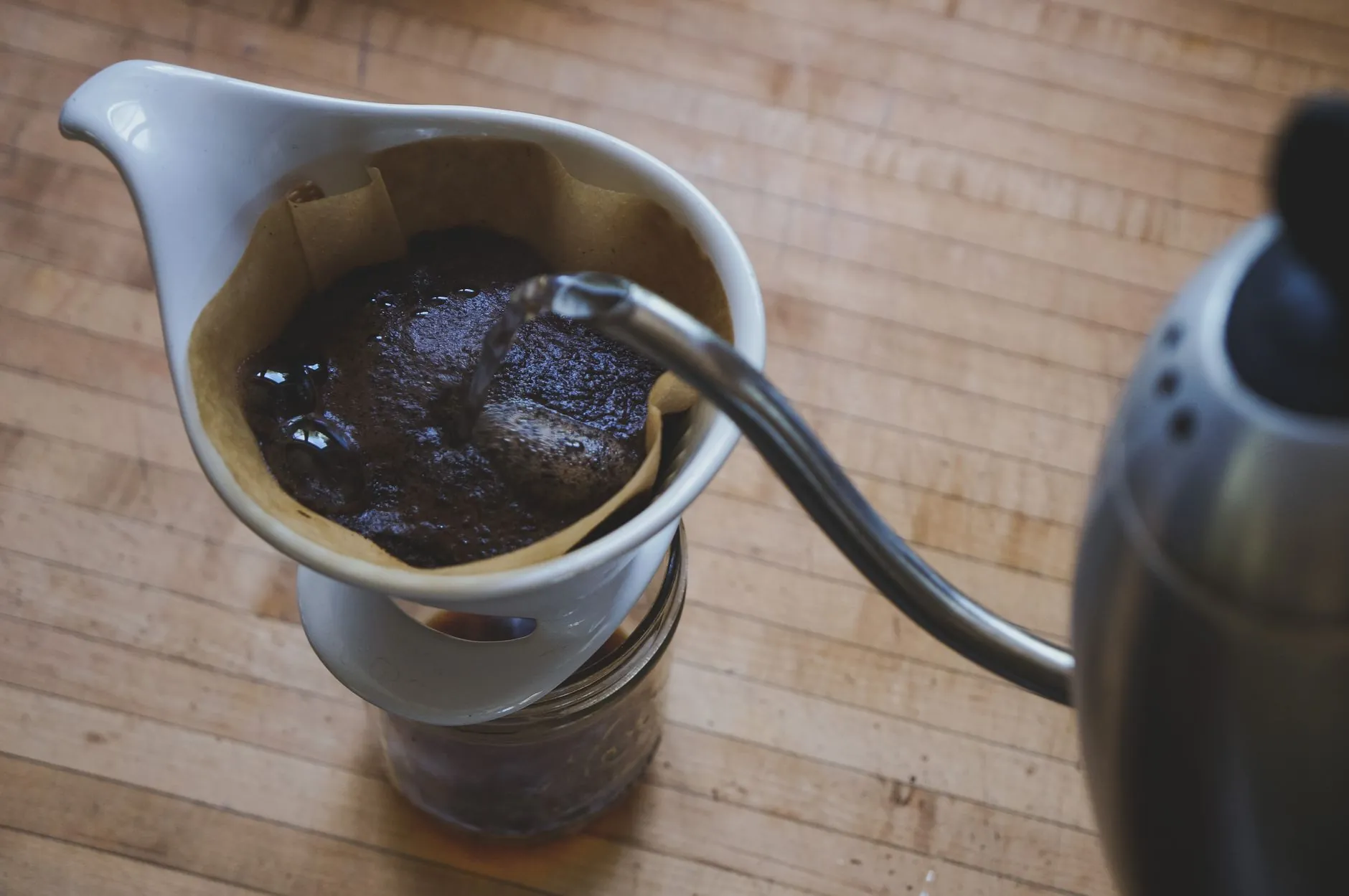
Think about a bag of coffee. A first bag runs thin at about two weeks in, right when the taste has become a morning. Reach that buyer then, with the same roast ground the way they take it, and you have a habit. Miss it, and they are back on the supermarket shelf by the weekend. The second order is a moment, and moments have a clock.
So why do brands keep losing the second order?
Not for lack of tools. For lack of the capacity to give each buyer the right nudge at the right time. The typical win-back is one email to the whole list, timed to the calendar instead of the customer.
You can see it in the numbers everyone treats as normal. About 70% of carts are abandoned, an average the Baymard Institute keeps across dozens of studies, and most brands answer that with a single generic reminder on a fixed timer, whether the shopper walked away over a shipping cost or simply got distracted. The same bluntness runs through the rest of the lifecycle. A 30-day "we miss you" goes out to a buyer who runs out in two weeks and to one who runs out in two months, and it is wrong for both.
None of this is the marketer's fault. A person can give real one to one attention to the top few accounts, and everyone else gets the average. That cap, a human's hours, is the actual ceiling on repeat revenue. Removing it is the whole game.
It is your craft handed back at scale, not your job handed away.
How do you actually win the second order?
Work every customer one at a time. Find the moment each first-time buyer is most likely to reorder, make the right move on it in your own voice, and send it where they actually are.
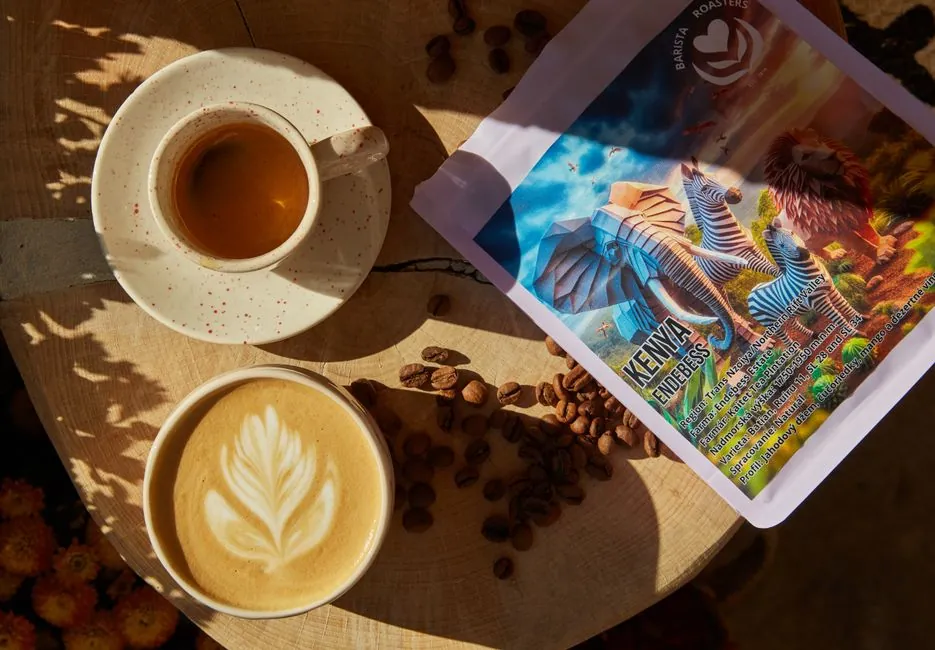
Almost out, Maya? Your Ethiopia Guji is due
Your last bag runs thin in about five days. Same roast, ground for pour-over the way you take it, at your door before Saturday's first cup.
Reorder in one tap- Find where the journey leaks. Look at the stretch between the first order and the second and mark where buyers go quiet. For a fast read of your own store, our free Revenue Leak Audit shows where the repeat revenue is slipping.
- Pick the one moment worth fixing first. Not everything at once. The single highest-value gap: the second-order window, the refill that is due, the loyal buyer who has gone unusually quiet.
- Build the move on your own products and voice. Timed to the customer, not the calendar. The refill lands the day before they run out, the reorder matches their real rhythm, the win-back brings back the thing they actually reached for.
- Send it only when it is genuinely the right move. On the channel they use, and without a reflex discount that trains people to wait for one. Protect the margin you worked so hard to earn.
This is where AI earns its place, and it is worth being precise about how. AI does not replace the marketer here. It removes the hours cap, so a small team can finally give that one to one attention to the whole base instead of the top 1%. You set the goal in plain English, you approve what goes out, and you keep the credit. It is your craft handed back at scale, not your job handed away.

It is the job we built PilotX for. Four agents work every customer, Discovery, Decision, Delivery and Supervisor, reading each person's history and picking the next best move, so the second order gets the same care you would give your biggest account. If you sell on Shopify and send through Klaviyo, that is the layer that sits between your store and your sends .
How would you know it actually worked?
Hold back a control group and measure the lift in real money. Set aside a slice of customers the agents leave alone, then compare. The extra revenue is the difference between the two groups, so you read it as dollars, not as a story you are asked to trust.
Be honest with yourself about the numbers, and wary of anyone who is not. PilotX is paid 10% of the extra sales it adds, capped at $2,500 a month, so every $1 you pay comes with $10 of extra sales, and if it adds nothing you pay nothing. The only figure that counts is the one your own control group proves. It is also why the work is built to earn its keep before it costs you much: you watch the fix run on your real customers first, and it only matters if it beats the group you held back.
Your next order is already on your list
The cheapest growth on your plan is not the next stranger. It is the buyer whose name is already in your list, one order away from a habit. Most of them will drift, not because your product let them down, but because nobody reached them in time.
So start where the leak is. See where your own second order slips in a quick audit of your store, or have us build the fix on your own products, free, before you commit to anything . The next order is already yours to win. The only question is whether anyone gets to the customer before the moment passes.