Welcome Series Intent Decay: Why Linear Delays Lose DTC Buyers

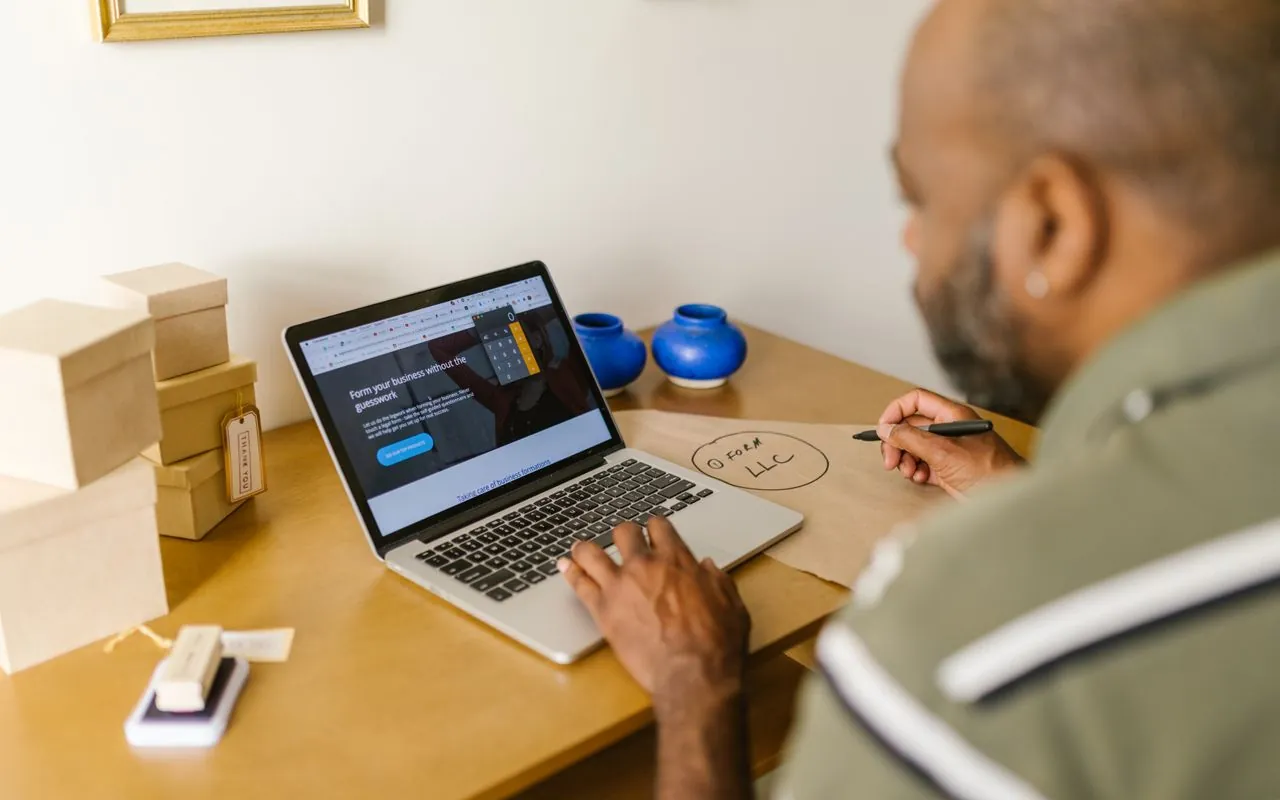
A shopper lands on your Shopify store from an Instagram advertisement, looks at two product pages, and types their email address into your pop-up to claim a welcome discount. In your lifecycle tool, this opt-in triggers a textbook three-part welcome series. The first email sends immediately with a discount code. The second email waits forty-eight hours to deliver your brand origin story. The third email waits another seventy-two hours to highlight your customer reviews and bestsellers. On paper, the flowchart looks orderly and logical. In commercial reality, the customer has already left the building.
Omnisend's 2025 ecommerce benchmarks reveal that 81% of newly acquired email subscribers never complete a purchase. Even more telling, consumer behaviour data shows that initial purchase intent falls by 60% within the first twenty-four hours of signing up. By forcing an eager buyer onto an arbitrary five-day calendar delay, linear welcome flows allow the very enthusiasm that drove the opt-in to evaporate into indifference.
A subscriber does not join your list to read a multi-day memoir about your founding philosophy. They join because they have an active problem, an open wallet, and a temporary desire to buy. When lifecycle flows fail to respond to the real rhythm of customer intent, acquisition ad spend is squandered at the digital front door.
Why does first-time buyer intent decay so rapidly after opt-in?
First-time buyer intent decays rapidly because shopper motivation is tied to the immediate browsing context and emotional desire that prompted the opt-in. When static welcome flows introduce 24 to 48-hour delays between messages, the buying urgency evaporates, resulting in an 81% non-conversion rate across new subscribers.
When a customer types their email address into your store, they are at peak curiosity. They may be standing in their kitchen wondering which coffee beans fit their espresso machine, or sitting on the sofa searching for a gentle cleanser for sensitive skin. In that exact moment, they want clarity, reassurance, and product guidance. If they do not purchase immediately, they step back into their everyday life. Work meetings intervene, family tasks take over, and competing notifications flood their mobile device.
By the time your second welcome email arrives two days later, the emotional spark is gone. The shopper is no longer looking at your storefront. They may not even recall why they signed up. Sending a lengthy founder story forty-eight hours after an opt-in fails because it treats marketing as an author reading chapters aloud rather than a salesperson helping an active customer choose the right item.
Linear Welcome Sequences
- Rigid 24, 48, or 72 hour time delays between pre-written template emails
- Sends brand backstory regardless of what the visitor browsed or searched
- Ignores repeat visits, category shifts, and abandoned product views
- Relies on escalating discount codes to shock unengaged leads into buying
Autonomous Subscriber Decisioning
- Evaluates subscriber intent in real time after every storefront session
- Delivers specific product answers tailored to the exact items viewed
- Pauses messaging if the shopper shows zero signals, protecting deliverability
- Coordinates touchpoints across email and SMS without schedule collisions
What are the structural flaws in linear 3-part welcome email flows?
Linear welcome series fail because they treat every subscriber as a passive reader on a fixed calendar schedule rather than an active shopper in motion. By broadcasting generic brand stories on rigid day delays regardless of whether the customer returns to browse or leaves items behind, brands squander their highest-intent acquisition window.
Consider two contrasting shoppers who sign up for your welcome flow at the same hour. Shopper A signs up on mobile while commuting, closes their browser tab, and returns that evening on a desktop computer to view three different face moisturizers. Shopper B signs up, makes a snap purchase using the welcome discount, and waits for their delivery. In a standard linear flow, both shoppers receive the identical email forty-eight hours later: a general brand philosophy letter.
For Shopper A, this message is a missed opportunity. They needed comparison guidance between the hydrating cream and the restorative serum, not a company biography. For Shopper B, the email is an annoyance, arriving after their transaction has already completed. Linear flows cannot distinguish between an active evaluator, a converted buyer, and an unengaged subscriber. Everyone is funneled through the same static conveyor belt.
A welcome flow should not be an automated speech. It should be an attentive concierge ready to answer the question the shopper is asking right now.
How does right time intervention outconvert static welcome delays?
Right time intervention evaluates live storefront signals, browsing velocity, and specific product interactions to time messages when the shopper is actively considering a purchase. Rather than waiting for an arbitrary 48-hour timer to fire, an autonomous decision engine delivers relevant product context within minutes of renewed browsing or pauses outreach if intent cools.
When a new subscriber returns to your site three hours after signing up, that session represents a high intent buying window. An intelligent system observes that they spent four minutes reading reviews on a specific serum, checked the ingredient list, but did not proceed to checkout. Instead of waiting two days to send a generic email, an autonomous agent synthesizes a focused message addressing the exact concerns associated with that product.
Crucially, right time intervention also knows when to remain silent. If a subscriber opens your initial welcome email and shows no subsequent browsing activity, blasting them with three consecutive messages over five days only breeds resentment and drives spam complaints. Holding fire preserves your sender reputation and allows you to re-engage only when an authentic customer signal emerges.

Hi Maya, we noticed you were comparing our Restorative Serum and Balancing Facial Oil earlier today.
If your main focus is calming redness and locking in deep hydration overnight, the Restorative Serum is formulated with organic neroli specifically for dry routines. It layers cleanly under your daily moisturiser with zero oily residue.
How does PilotX replace linear welcome series with autonomous decisioning?
PilotX connects natively to Shopify in 30 minutes, replacing rigid flowchart branches with four specialized agents that evaluate each subscriber's real-time signals individually. PilotX coordinates message timing across email and SMS without per-contact database fees, and costs 10% of the extra sales it adds, capped at $2,500 a month.
Rather than asking your team to configure endless conditional splits, filters, and wait timers in Klaviyo, PilotX runs a continuous four-agent loop for every contact:
When an agent determines that a customer is ready for product education, Delivery drafts a bespoke message in your exact brand voice. When an agent spots that a customer is actively comparing items, it delivers helpful guidance without giving away margin through unprompted discount codes. If the customer makes a purchase, the system immediately suspends welcome messaging and transitions the buyer into thoughtful onboarding.
Every commercial claim on PilotX is backed by an automated control group you configure yourself. A designated percentage of subscribers is held back from agent interventions, providing an unvarnished benchmark of natural purchase velocity versus assisted lift. If the modelled economics of up to 50% more revenue do not prove out against your control group, you see the exact financial breakdown in your dashboard.
What should a brand do on Monday to stop welcome flow leakage?
To stop welcome flow leakage, audit your first-order conversion curve, consolidate your welcome sequence to focus on product answers rather than corporate narrative, and stop spraying unprompted discounts at every subscriber. Transitioning to intent-driven communication protects margins and lifts initial conversion.
Begin by calculating your store's true conversion timeline. Measure what percentage of first-time buyers purchase within the first twelve hours of subscribing versus days two, three, and four. You will almost certainly find a steep cliff: the overwhelming majority convert on day one, while subsequent emails generate dwindling returns and surging unsubscribe numbers.
Next, replace corporate storytelling with practical product curation. Provide direct answers to your most common pre-purchase questions, such as sizing advice, material origins, and shipping timelines. If a shopper has already browsed specific categories, ensure your communication reflects those preferences rather than broadcasting generic bestsellers.
To uncover where your current lifecycle journeys leak revenue, request our free Revenue Leak Audit. Our autonomous mystery shoppers walk your storefront to map subscriber drop-off points, sizing the financial opportunity against your store revenue. You can also model your potential lift on our interactive ROI calculator.