

Picture a Tuesday in your Shopify admin. One customer left a full cart on Sunday and hasn't come back. Another is three weeks past the point she'd normally reorder her serum. A third has opened your last four emails and bought nothing. Your Klaviyo flows are already running, and they're well built. All three of these people are about to get more or less the same email.
One number stops me every time. The average abandoned cart flow earns $3.65 per recipient. The top ten percent of brands earn $28.89 from the same flow, off a benchmark of 143,000 flows in Klaviyo's own data. That's nearly eight times, from the same moment of intent. The gap isn't the copy or the discount. It's the decision sitting behind the send: who gets what, and when.
That decision is the part your tools quietly leave to you. Klaviyo will send a lovely email to everyone who matches a segment, at the time the flow says, in the order you drew. What it won't do is look at one person and work out that she doesn't need the reminder yet, or that he's the one worth a real offer today. Multiply that across a list of forty thousand and you can see where ecommerce revenue leaks. Not from bad emails. From the same email reaching people who are in completely different moments.
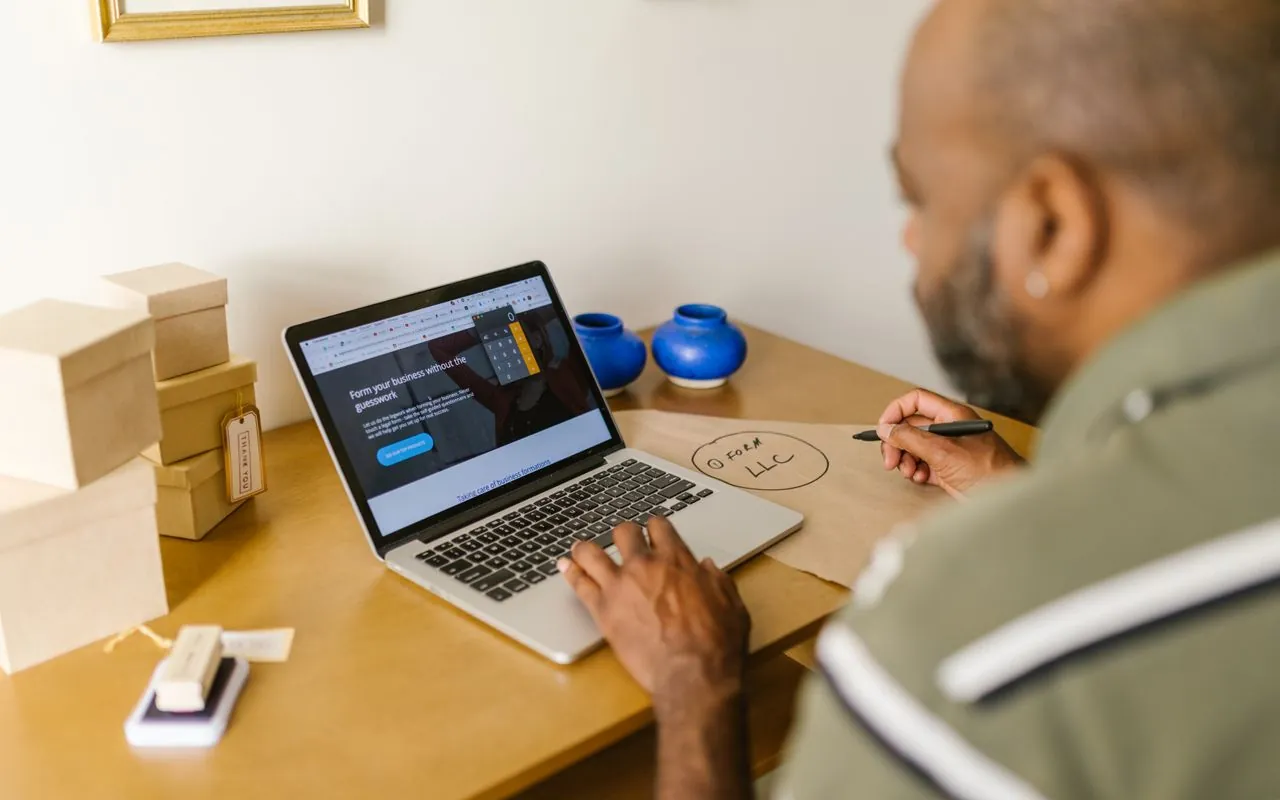
This is the thing agentic marketing changes for an ecommerce brand, and it's worth being precise about the phrase before the hype gets to it.
What is agentic marketing for an ecommerce store?
Agentic marketing is software that makes the per customer call you'd make yourself if you had time to look at every single person, then acts on it across your channels. Gartner expects 60% of brands to use agentic AI for one to one customer interactions by 2028, up from almost none today, in a January 2026 forecast. It's moving from a conference slide to a roadmap item quickly.
The plain version. Instead of you drawing a flow that treats a whole segment as one blob, the system watches each customer's actual behaviour, decides the next best move for that person, writes it in your voice, sends it, and learns from what happened. You still set the goals. You still own the brand and the guardrails. What you get back is the judgement call you never had the hours to make forty thousand times a week.
None of that is a new channel or a cleverer template. It sits on top of the stack you already run and makes the call your flows can't, which is not who's in the segment, but what this one person needs next.
One flow, one blob
- Treats the whole segment as one
- Sends at the time the flow says
- Same email, different moments
The per customer call
- Reads one person's actual behaviour
- Sends at their moment, or waits
- The next move this one needs
How is agentic marketing different from my Klaviyo flows?
Your flows fire on a trigger for everyone who matches the rule, at a time you fixed in advance. Agentic marketing makes the call per person and per moment, and sometimes that call is to wait and send nothing at all. McKinsey found the companies growing fastest pull 40% more of their revenue from personalisation than their slower rivals, and the reason is timing and fit, not volume.
Take the refill. In Klaviyo you'd set a reminder at, say, day thirty after purchase. But your customers don't run on day thirty. One goes through a jar in three weeks, another in seven. A fixed delay nags the first and misses the second entirely. Deciding per person means the reminder lands the week each one is genuinely running low, which is the whole difference between a helpful nudge and an unsubscribe.

Almost out, Priya? Your serum is about due
You are most likely running low on your vitamin C serum around now. Want the next one on its way before your routine skips a day?
Reorder in one tap
The same logic runs across everything. The lapsed customer who needs a reason to return, not another ten percent off. The browser who's ready and just needs her size back in stock. The loyal buyer you should leave in peace this week because a fifth email is how you lose her. This is the work I care about most in a Shopify and Klaviyo store, because the flows are already the revenue engine. Sharpening the decisions inside them is where the money is.
What can I do on Monday without buying anything?
Plenty, and you should do it before you buy any software, ours included. You don't need agents to start deciding better. You need to look honestly at three things.
- Check your timing against reality. Pull your reorder flow and your best repeat product. In Shopify, look at how many days actually pass between first and second order. If most people come back at day twenty two and your reminder goes at day forty five, you're arriving after the moment has closed.
- Split your engaged segment by behaviour, not membership. "Engaged" is not one group. Someone who opened yesterday and someone who last clicked in March are in different worlds. Break it by recency and frequency and you'll find sends that should stop and sends that should start.
- Suppress the people who won't buy this week. Holding back a send protects your deliverability and your reputation. Fewer, better timed emails to the right people usually beats one more blast to everyone.
- Set a control group before you change a thing. Hold back a random slice of customers who keep getting your current flows. Change nothing else. That slice is how you'll know later whether any of this worked, or whether the quarter was just good.
If you'd rather see the whole picture in one go, the free Revenue Leak Audit maps where your flow revenue is leaking against your own numbers in a few minutes. It won't ask you to switch anything. It'll just show you the gap between what your flows earn and what the same moments could earn.
Does agentic marketing actually lift revenue, or is it hype?
The ceiling is real and the proof is still early, so let me split those. Legacy personalisation, the segment and token kind, tends to top out around a 15% revenue lift. Working every customer one to one is modelled to reach up to 50% more revenue, roughly three times that. Modelled is the operative word, and I'll come back to it.
Up to 50% more revenue, modelled against a control group you set, not a screenshot from someone else's account.
The way you keep everyone honest, us included, is the control group. Before anything changes, you hold back a random slice of your customers who carry on getting your normal flows. Everyone else gets the per customer decisions. You compare the two groups over the same weeks, on your own store. The difference between them is the lift, measured against your reality, not a screenshot from someone else's account.
That's the bar we hold ourselves to at PilotX, where the platform runs four agents on every customer. Discovery learns the person. Decision picks the next move and the timing, including when to wait. Delivery writes and sends it in your voice. A Supervisor watches what worked and sharpens the next call. Our up to 50% figure is modelled against a control group, not a measured result yet, and I'd rather show it on your own data than dress a projection up as a win you can't check.
You don't need any of this to begin, though. Open your reorder flow this week and check it against how often people actually come back. Hold out a control group before you touch a single email. If you want the leak mapped for you first, start with the audit, and if you'd rather think it through with someone who's building this, that's what the founders are here for. One flow, one honest measurement. The rest follows from there.